
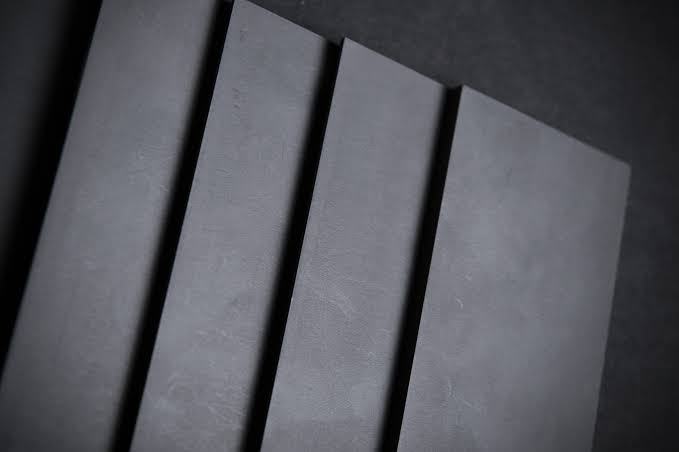
Vacuum pump vanes are essential components in many rotary vane vacuum pumps. They work inside the pumping chamber to help generate and maintain the required vacuum.
When replacement becomes necessary, one of the most common questions is: Should you choose carbon vanes or carbon-fiber vanes?
The answer depends on the vacuum pump model, operating conditions, application, and the specifications recommended for the pump. Selecting the correct vane material is important for achieving reliable performance and avoiding premature wear.
What Are Vacuum Pump Vanes?
Vacuum pump vanes are movable components installed around the rotor of a rotary vane vacuum pump. As the rotor rotates, the vanes move against the inner surface of the pump chamber and create sealed chambers that generate vacuum.
Because vanes operate continuously under mechanical stress, they are considered wear components and eventually require inspection or replacement.
Common vane materials include:
- Carbon
- Fiber
- Carbon-fiber
- Stainless steel
- Other application-specific materials
The material used depends on the pump design and operating requirements.
What Are Carbon Vanes?
Carbon vanes are commonly used in rotary vane vacuum pumps and are designed for applications where suitable friction, wear resistance, and operating characteristics are required.
Carbon-based vanes can provide reliable performance when correctly matched to the pump.
Advantages of Carbon Vanes
Depending on the pump application, carbon vanes may offer:
- Good wear characteristics
- Suitable friction properties
- Reliable operation
- Compatibility with selected vacuum pump designs
- Consistent performance under appropriate conditions
However, the correct grade and dimensions are important. A carbon vane intended for one pump model may not be suitable for another.
What Are Carbon-Fiber Vanes?
Carbon-fiber vanes are manufactured using carbon-based material reinforced with fibers. This construction can provide a different combination of strength, durability, and wear characteristics.
Carbon-fiber vanes are used in selected vacuum pump applications where their material properties are suitable for the operating conditions.
Advantages of Carbon-Fiber Vanes
Depending on the application, carbon-fiber vanes may provide:
- Good mechanical strength
- Suitable wear resistance
- Reliable performance
- Improved durability in selected applications
- Suitable operation under demanding conditions
Again, compatibility with the specific pump model is the most important consideration.
Carbon Vanes vs Carbon-Fiber Vanes
The two materials should not be considered interchangeable simply because they have similar names.
| Feature | Carbon Vanes | Carbon-Fiber Vanes |
|---|---|---|
| Material | Carbon-based | Carbon reinforced with fibers |
| Strength | Suitable for specified applications | Can offer increased structural strength |
| Wear Characteristics | Depends on grade and application | Depends on construction and application |
| Compatibility | Pump-model dependent | Pump-model dependent |
| Best Choice | According to pump specification | According to pump specification |
The correct choice depends on the pump manufacturer’s design and operating requirements.
Which Vane Material Should You Choose?
There is no universal answer to whether carbon or carbon-fiber vanes are better.
The correct vane should be selected based on the following factors:
1. Vacuum Pump Brand
Start by identifying the manufacturer of your vacuum pump.
For example, The Spare World supplies spare components for various vacuum pump brands, including:
- Atlas Copco
- Becker
- Busch Vacuum
- DVP
- Economy
- Edward
- Elmo Rietschle
- GEV
- HHV
- Leybold
- MIL’s
- PVR
- Toshniwal
- Other selected applications
2. Pump Model
The exact pump model is one of the most important details when selecting a replacement vane.
Different models can have different:
- Vane dimensions
- Vane profiles
- Material requirements
- Number of vanes
- Rotor designs
3. Original Part Number
If the original vane has a part number, using it can make identification easier.
Always compare the replacement part with the original specification before installation.
4. Vane Dimensions
Check the required:
- Length
- Width
- Thickness
- Profile
- Quantity
Even a small dimensional difference can affect proper operation.
5. Application
Consider how and where the pump is being used.
Industrial applications, laboratory systems, packaging equipment, medical equipment, milking systems, and other applications may have different operating requirements.
Signs That Your Vanes Need Replacement
Regardless of the material, worn vanes can cause several performance problems.
Common warning signs include:
Reduced Vacuum
The pump may no longer achieve its normal vacuum level.
Increased Noise
Unusual mechanical noise may indicate excessive wear or internal damage.
Higher Temperature
Increased friction can contribute to excessive operating temperature.
Longer Pumping Time
The system may take longer than usual to reach the required vacuum.
Visible Wear
During maintenance, vanes may show cracks, chips, worn edges, or reduced dimensions.
If any of these signs appear, the pump should be inspected before continued operation.
Can You Replace Carbon Vanes with Carbon-Fiber Vanes?
Not automatically.
A carbon-fiber vane should only be used as a replacement if it is specifically suitable for the particular pump model and application.
The material, dimensions, profile, and operating characteristics must match the requirements of the pump.
Similarly, replacing a carbon-fiber vane with a standard carbon vane without verifying compatibility can result in poor performance or premature wear.
Tips for Longer Vane Life
Proper maintenance can help extend the service life of vacuum pump vanes.
Keep Filters Clean
Blocked or contaminated filters can affect pump operation and increase the load on the system.
Maintain Proper Oil Condition
For oil-lubricated pumps, use the appropriate oil and maintain it according to the pump manufacturer’s recommendations.
Avoid Contamination
Dust, moisture, chemicals, and other contaminants can affect pump components.
Monitor Temperature
Keep an eye on operating temperature and investigate unusual increases.
Inspect Regularly
Scheduled inspection allows worn components to be identified before they cause major damage.
Use Correct Spare Parts
Always select vanes that are compatible with the exact pump model.
Why Correct Vane Selection Matters
Choosing the correct vane is not simply about finding a part that fits physically.
The right component should also provide suitable:
- Material characteristics
- Dimensions
- Mechanical strength
- Wear performance
- Operating compatibility
Using an incorrect vane can lead to reduced vacuum, increased wear, noise, overheating, or other pump problems.
Find the Right Vacuum Pump Vanes at The Spare World
The Spare World offers a broad range of vacuum pump spare components for maintenance and replacement applications.
Our product range includes:
- Carbon Vanes
- Fiber Vanes
- Carbon-Fiber Vanes
- Stainless-Steel Vanes
- Vacuum Pump Spares
- Maintenance Kits
- Overhaul Kits
- Air Filters
- Exhaust Filters
- Oil Filters
- Other Spare Parts
With brand and category-based product selection, customers can make it easier to find suitable components for their vacuum pump requirements.
Conclusion
Both carbon vanes and carbon-fiber vanes can be suitable for vacuum pump applications, but the correct choice depends on the specific pump model and manufacturer requirements.
Before ordering replacement vanes, always verify the pump brand, model, original part number, dimensions, material, and application.
Choosing the right spare component and maintaining the pump regularly can help improve reliability, reduce downtime, and support longer pump life.
Looking for carbon vanes, carbon-fiber vanes, or other vacuum pump spare parts? Explore The Spare World and find the right component for your application.
