
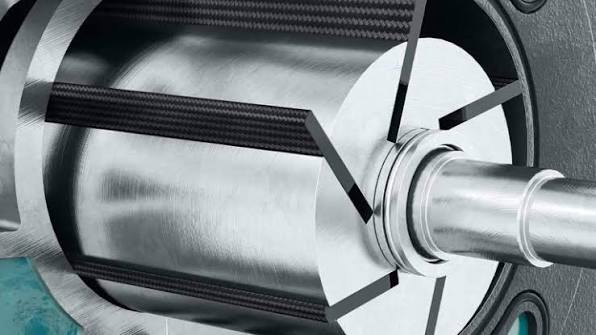
Vacuum pump vanes are one of the most important wear components in many rotary vane vacuum pumps. They play a critical role in creating and maintaining the required vacuum level. Over time, continuous operation, friction, heat, and demanding working conditions can cause vanes to wear.
Using worn or damaged vanes for an extended period can affect vacuum performance and may place additional stress on other pump components. Knowing the common warning signs can help you replace vacuum pump vanes before a minor maintenance issue becomes a major breakdown.
What Are Vacuum Pump Vanes?
Vacuum pump vanes are components installed inside the pumping chamber of rotary vane vacuum pumps. As the rotor turns, the vanes move within the chamber and help create the pressure difference required to generate vacuum.
Depending on the pump design and application, vanes may be manufactured from different materials, including:
- Carbon vanes
- Fiber vanes
- Carbon-fiber vanes
- Stainless-steel vanes
The correct vane material, dimensions, and design depend on the specific vacuum pump model and application.
Why Do Vacuum Pump Vanes Wear?
Vanes are continuously exposed to mechanical movement and friction. Several factors can contribute to vane wear, including:
- Continuous pump operation
- High operating temperature
- Incorrect or contaminated oil
- Dust and other contaminants
- Improper maintenance
- Excessive operating load
- Incorrect vane material
- Normal service life
Regular inspection can help identify wear before it affects overall pump performance.
7 Signs Your Vacuum Pump Vanes May Need Replacement
1. Reduced Vacuum Performance
One of the most common signs of worn vanes is a reduction in the pump’s ability to achieve its normal vacuum level.
If the pump previously reached the required vacuum quickly but now takes significantly longer, the vanes and other related components should be inspected.
2. Unusual Pump Noise
A properly operating vacuum pump generally produces a consistent operating sound.
Grinding, knocking, rattling, or unusual mechanical noise may indicate excessive wear or damage inside the pump.
Vanes should be inspected along with other internal components to identify the actual cause.
3. Increased Operating Temperature
Worn or damaged components can increase friction inside the pump. This may cause the operating temperature to rise.
If the pump is consistently running hotter than normal, check the vanes, oil condition, ventilation, filters, and other relevant components.
4. Longer Pumping Time
A vacuum system that previously reached its target vacuum quickly may start taking much longer.
This can be caused by several factors, including:
- Worn vanes
- Air leakage
- Contaminated filters
- Incorrect oil
- Oil contamination
- Pump wear
A complete inspection is recommended before replacing individual components.
5. Visible Vane Damage
During scheduled maintenance, vanes should be inspected for:
- Cracks
- Chips
- Excessive wear
- Uneven surfaces
- Reduced vane length
- Broken edges
- Signs of overheating
Damaged vanes should be replaced with compatible components suitable for the pump model.
6. Excessive Vibration
Unusual vibration can indicate a mechanical problem. While vibration does not always mean that the vanes are worn, it is an important warning sign that should not be ignored.
The pump should be inspected by checking the vanes, rotor, bearings, mounting, and other mechanical components.
7. Frequent Maintenance Problems
If a vacuum pump repeatedly develops performance problems despite routine servicing, the condition of its major wear components should be evaluated.
Replacing worn vanes and other relevant components at the appropriate service interval can help improve reliability.
Carbon Vanes vs Fiber Vanes
Different vacuum pump applications require different vane materials.
Carbon Vanes
Carbon vanes are widely used in various rotary vane vacuum pump applications. They can provide suitable wear characteristics and reliable operation when correctly matched to the pump.
Fiber Vanes
Fiber vanes are also used in selected vacuum pump applications and may offer different wear and operating characteristics depending on the pump design.
Carbon-Fiber Vanes
Carbon-fiber materials can provide a combination of properties suited to specific pump applications.
The material should always be selected according to the pump manufacturer’s specifications and the intended operating conditions.
How to Choose the Correct Vacuum Pump Vane
Before ordering replacement vanes, always verify:
Brand:
Confirm the vacuum pump manufacturer.
Model:
Check the exact pump model.
Part Number:
If available, use the original part number for easier identification.
Dimensions:
Check vane length, width, thickness, and other relevant dimensions.
Material:
Confirm whether the pump requires carbon, fiber, carbon-fiber, stainless steel, or another material.
Application:
Consider the operating environment and application requirements.
Choosing a vane based only on appearance or approximate size can result in incorrect fitment.
When Should Vacuum Pump Vanes Be Replaced?
There is no single replacement interval that applies to every vacuum pump.
Vane life depends on:
- Pump model
- Operating hours
- Application
- Operating temperature
- Oil condition
- Contamination level
- Load
- Maintenance practices
Instead of relying only on a fixed replacement period, regular inspection and performance monitoring should be used to determine when replacement is required.
Benefits of Replacing Worn Vanes
Timely replacement of worn vacuum pump vanes can help:
- Restore vacuum performance
- Reduce excessive mechanical wear
- Improve pump efficiency
- Reduce unexpected downtime
- Maintain consistent operation
- Protect other internal components
- Support longer equipment service life
However, vane replacement should be part of a complete maintenance approach rather than the only maintenance activity.
The Spare World – Vacuum Pump Vanes & Spare Parts
Finding the correct vacuum pump vane can be difficult when different manufacturers use different designs, dimensions, and materials.
The Spare World provides a broad range of vacuum pump maintenance and replacement products, including carbon vanes, fiber vanes, carbon-fiber vanes, stainless-steel options, filters, maintenance kits, overhaul kits, and other vacuum pump spare components.
Products are available for various vacuum pump brands and applications.
Final Thoughts
Vacuum pump vanes are critical wear components, and their condition can directly affect pump performance. Reduced vacuum, unusual noise, overheating, longer pumping times, vibration, and visible vane damage are some of the signs that a pump may require inspection.
Regular maintenance and the use of correctly matched replacement vanes can help maintain reliable vacuum pump operation and reduce unexpected downtime.
Before purchasing replacement vanes, always verify the brand, pump model, part number, dimensions, material, and application requirements.
Need the right vacuum pump vane or maintenance component? Explore The Spare World for vacuum pump spare parts and service products.

best product